Artificial intelligence continues to reshape enterprise software, but the traditional cloud-centric AI model is showing new limits. Increasingly, Indian businesses and global enterprises alike are exploring on-device AI—running intelligent algorithms locally on devices instead of relying solely on cloud processing. This shift has significant implications for custom software development, data privacy, performance, and operational resilience.
Why On-Device AI Matters for Enterprises
Cloud AI platforms have powered many breakthroughs, from customer support chatbots to advanced analytics. However, they depend on continuous, reliable internet connectivity and raise concerns about data privacy, latency, and recurring costs associated with API calls.
On-device AI addresses these issues by processing data locally on endpoints such as desktops, mobile apps, or edge devices. For businesses, this means:
- Improved data privacy and compliance: Sensitive information remains within the organization’s controlled environment, helping Indian enterprises meet regulations like the Digital Personal Data Protection Act, 2023.
- Faster response times: Local inference eliminates network delays, essential for real-time applications such as biometric attendance or fraud detection.
- Reduced dependency on network connectivity: On-device AI enables offline functionality, vital for businesses with intermittent or unreliable internet access.
- Lower operational costs: Avoiding constant API calls to cloud AI providers cuts down recurring expenses and vendor lock-in.
Practical Use Cases in Enterprise Software
Several enterprise domains stand to benefit from on-device AI integration:
- Attendance and security systems: AI-driven face recognition running on-site for immediate verification without sending data to the cloud.
- Mobile and desktop business apps: Intelligent autocomplete, content suggestions, or workflow automation executed locally to improve user experience and data control.
- Healthcare and legal software: Confidential document processing and AI-assisted decision support that must comply with stringent privacy norms.
- Education technology platforms: Secure examination monitoring and on-screen marking systems with AI-enabled fraud detection working offline.
Implementation Considerations for On-Device AI
While the potential advantages are clear, adopting on-device AI requires careful planning and expertise:
- Model selection and optimization: AI models must be compact and optimized to run efficiently on local hardware with limited computational resources.
- Security and update mechanisms: Devices need secure methods for model updates and patches to avoid vulnerabilities and ensure accuracy over time.
- Integration with existing systems: On-device AI should smoothly connect with enterprise backend services, databases, and cloud infrastructure as part of hybrid AI strategies.
- Platform and technology stack: Choosing frameworks and languages (e.g., Python for AI algorithms, C# or Flutter for apps) that support edge AI deployment is critical.
Balancing On-Device and Cloud AI in Enterprise Strategies
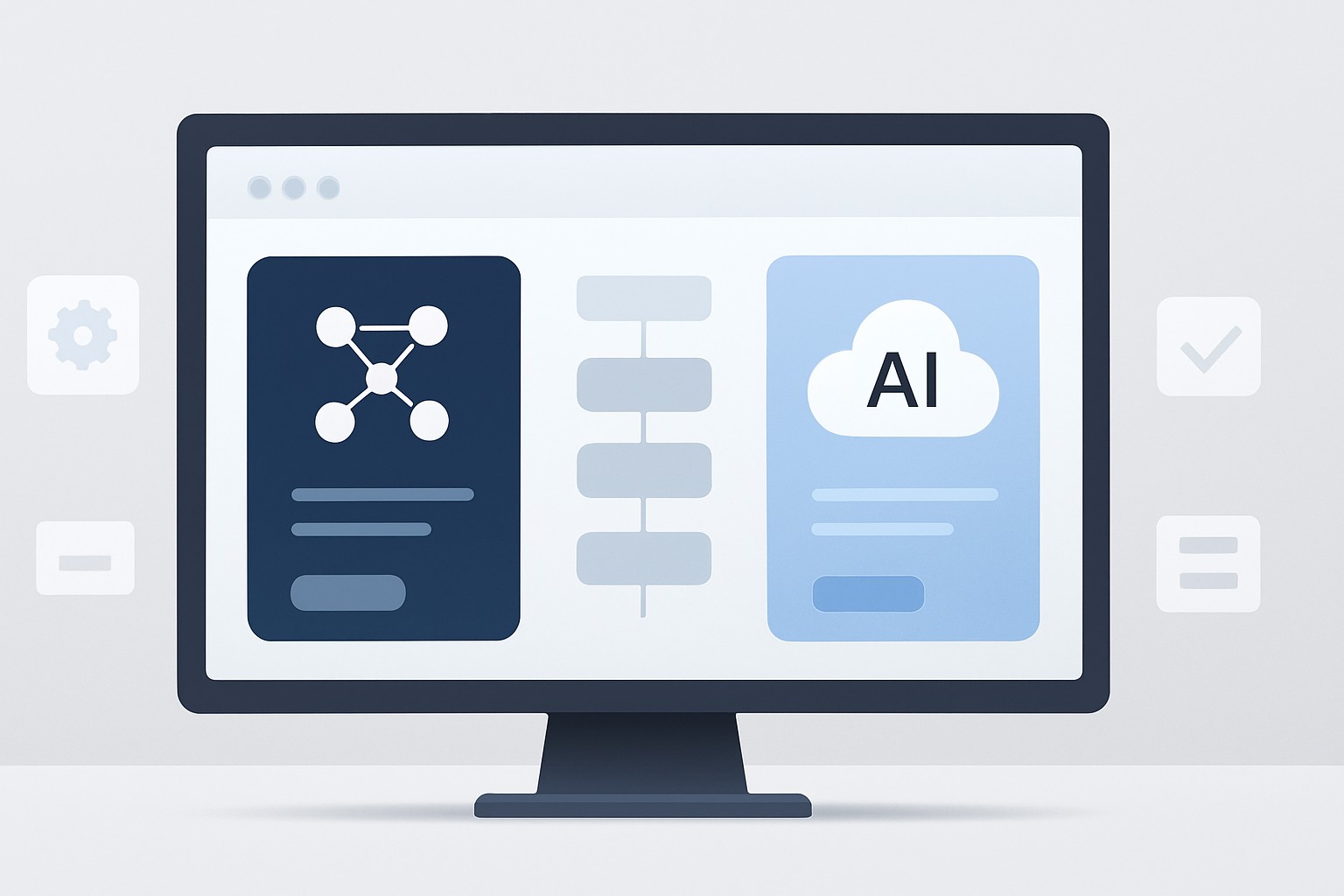
For many organizations, the answer is not purely on-device or cloud but a hybrid approach. Complex, heavy AI tasks can run in the cloud, while latency-sensitive or privacy-critical operations execute locally.
Indian enterprises especially can leverage this balance to improve compliance with data localization laws, reduce bandwidth costs, and build resilient systems that keep running regardless of network fluctuations.
How Laysan Technologies Supports AI Integration
Organizations planning AI-powered applications can benefit from consulting experts who understand both local and cloud AI paradigms. Experienced software development partners can design secure, scalable, and maintainable AI-enabled enterprise solutions tailored to business needs. This includes optimizing AI models for on-device execution and integrating them seamlessly with existing software ecosystems.
Key Takeaways
- On-device AI offers improved privacy, responsiveness, and cost efficiencies for enterprise applications.
- It is especially relevant for sectors with sensitive data handling requirements and variable connectivity.
- Successful implementation depends on optimized AI models, secure update mechanisms, and hybrid cloud-device architectures.
- Indian businesses must consider data protection regulations and technology readiness when choosing AI strategies.
Enterprises evaluating AI integration should assess where on-device AI fits best within their digital transformation roadmap. Expert software partners can provide the guidance and development skills needed to navigate this emerging landscape.