
Selecting the right software approach remains a pivotal technology decision for businesses, schools, and institutions worldwide. In 2026, the choice between custom software development and ready-made solutions continues to shape operational efficiency, cost management, and digital agility. This article unpacks the practical factors that enterprises should weigh in today’s dynamic software landscape.
Understanding the Trade-offs: Custom Software vs Ready-Made Software
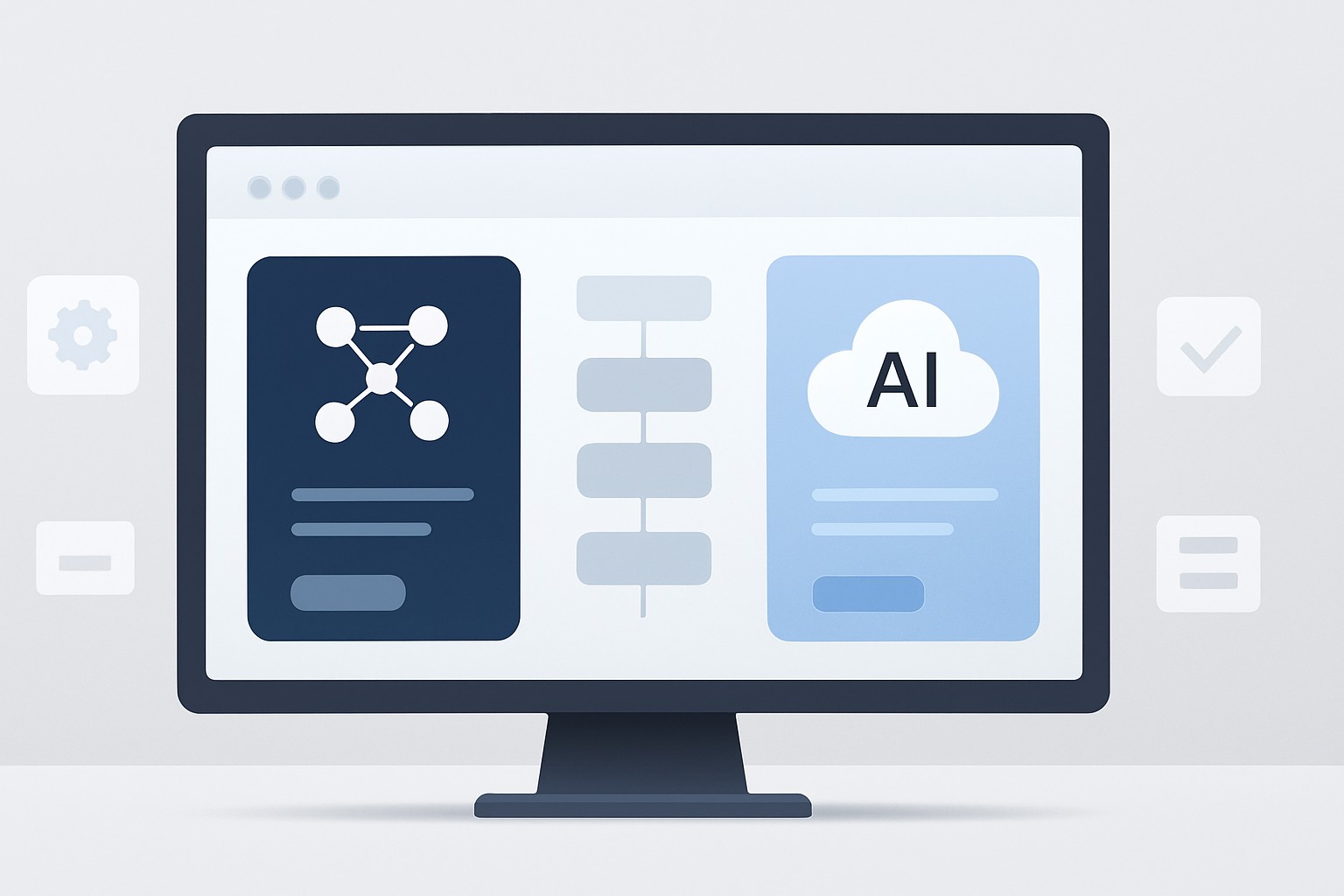
Ready-made software solutions, often marketed as off-the-shelf products or SaaS platforms, offer rapid deployment with predefined features. They appeal to organizations seeking speed and standardized functionalities, such as GST billing software, school ERP modules, or ecommerce platforms. Custom software, by contrast, is engineered specifically to match unique workflows, integrating seamlessly with existing systems and accommodating future growth.
The decision hinges on business complexity, regulatory requirements, and long-term strategy. For example, Indian enterprises operating under evolving GST compliance or educational institutions managing multifaceted examination systems may find ready-made packages insufficiently flexible.
Key Considerations for Choosing Custom Software Development
- Business Process Complexity: When your operations include specialized workflows or require integration with legacy systems, custom development ensures tailored functionality without compromise.
- Scalability and Control: Custom software offers control over architecture and data privacy—a critical factor when handling sensitive information such as student records or financial data.
- Cost and Time Horizon: While initial investment in custom solutions is higher, total cost of ownership can be optimized over time by avoiding recurring subscription fees and costly customization limits in off-the-shelf products.
- Regulatory and Security Compliance: Software built from the ground up can embed specific compliance measures aligned with Indian data protection laws and industry standards, reducing risk.
- Vendor Lock-in Avoidance: Owning your software’s codebase eliminates dependency on external vendors for updates, support, and pricing changes.
When Ready-Made Solutions Make Sense
Off-the-shelf software solutions suit organizations with standard processes or limited IT budgets who need quick implementation. Cloud-based SaaS tools for CRM, payroll, or ecommerce can accelerate digital adoption and provide updates automatically. However, be mindful of their limitations in customization and integration capabilities.
For startups or small businesses, ready-made solutions often provide a practical entry point. Institutions with straightforward requirements may benefit from packaged education ERP or billing software that complies with GST out of the box.
Implementation Considerations for Custom Software in 2026
Custom software development demands a clear understanding of your business objectives, technology stack preferences, and maintenance planning. Engaging with a technology partner experienced in frameworks like ASP.NET Core, Laravel, or MERN stack can help architect scalable and secure applications.
Project timelines should account for thorough requirement gathering, iterative development, and testing phases to ensure the software adapts well to real-world usage. Additionally, modern cloud deployment and API integration capabilities allow custom applications to interoperate with popular third-party services, preserving flexibility.
Balancing Risk and Reward
Choosing custom software is not without risks—delayed timelines, scope creep, and budget overruns are familiar challenges. However, with experienced partners and disciplined project management, these risks can be mitigated.
Conversely, ready-made software risks include hidden costs for add-ons, insufficient support, or forced process changes to fit the software. Careful evaluation including pilot testing and vendor references is essential before commitment.
FAQ: How to Decide Between Custom and Ready-Made Software?
- Q: What’s the best approach for a mid-sized company with unique sales processes?
A: Custom development could provide tailored CRM and inventory management that aligns precisely with your workflows, potentially boosting efficiency. - Q: How can educational institutions handle exam management software selection?
A: Institutions with complex examination and grading needs often benefit from custom or specialized education ERP solutions that can integrate on-screen marking and OMR result processing. - Q: Are there hybrid options combining both approaches?
A: Yes, some organizations start with ready-made tools and progressively add custom modules or integrations to address gaps, balancing speed and customization.
Organizations planning software investments in 2026 should prioritize transparent requirements, realistic budgets, and partner expertise. Whether opting for custom software development or ready-made solutions, the goal remains to empower business growth, streamline operations, and secure data privacy.
If your organization needs guidance on selecting or developing the right software platform, consulting with experienced software architects can clarify your options and tailor a roadmap. The right technology investment today can ensure scalable returns well into the future.